Ethiopia is a land of remarkable cultural diversity, with over 80 ethnic groups, each possessing its own distinct language, customs, and traditions. The nation’s heritage spans more than 3,000 years, offering a rich tapestry of histories, art, music, and dance. Ethiopian culture is enriched by four major language groups: Semitic, Cushitic, Omotic, and Nilo-Saharan, with over 200 dialects spoken nationwide. This vibrant mosaic is also home to a rich literary tradition, particularly through ancient Geez, Amharic, and Tigrigna translations of early Greek and Hebrew religious texts.
Thank you for reading this post, don't forget to subscribe!
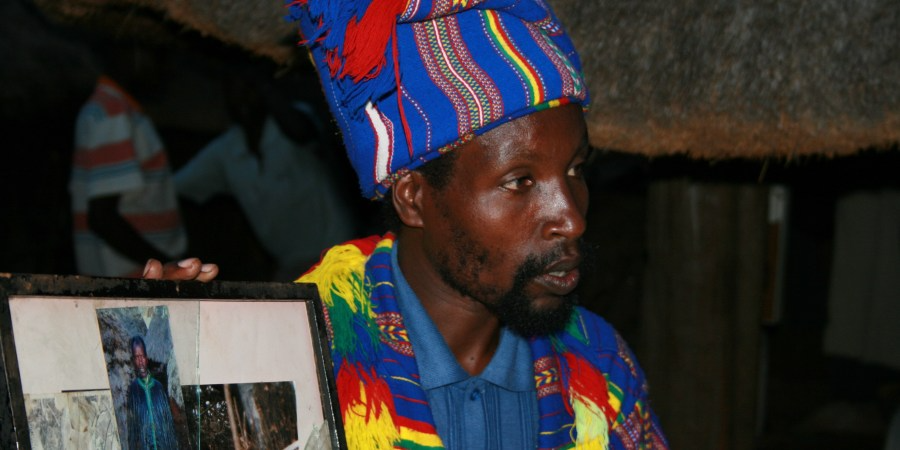
Konso People
The Konso people are known for their unique agricultural practices, including their spectacular terraced landscapes and fortified stone settlements, which reflect a harmonious adaptation to their arid environment. The Konso Cultural Landscape, a UNESCO World Heritage Site, features extensive dry stone terraces that prevent soil erosion and create arable fields. The villages are often encircled by defensive walls and house communal spaces called “moras” and generation markers known as “daga-hela.” This intricate social structure and deep connection to the land showcase an exceptional cultural and environmental harmony.
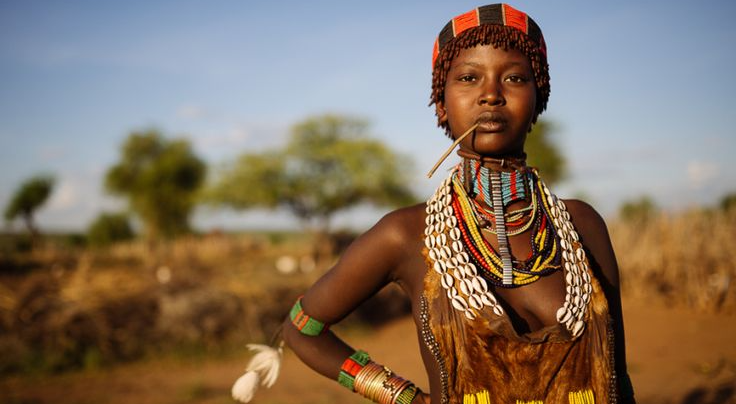
Hamar People
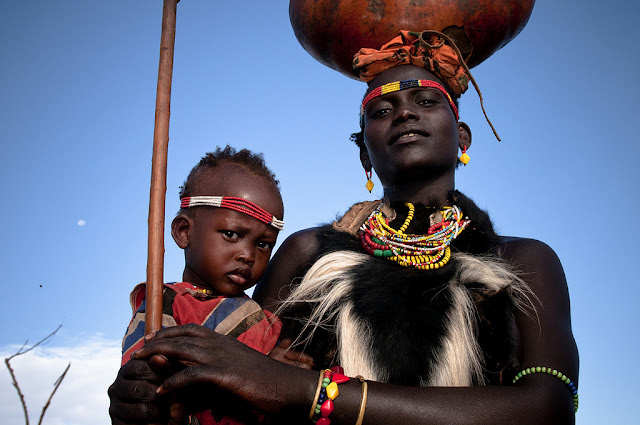
The Hamar people, residing in southwestern Ethiopia near the Omo River, are semi-nomadic pastoralists who place high importance on their cattle. Known for honey collection and cattle grazing, they move with their herds according to seasonal grass availability. Cattle hold central cultural and economic significance, essential for marriage and status. Women engage in farming, water collection, and cooking, while men handle defense, livestock, and honey farming. Their distinct dress and body adornments, particularly elaborate beadwork and hairstyles, are prominent in their culture.
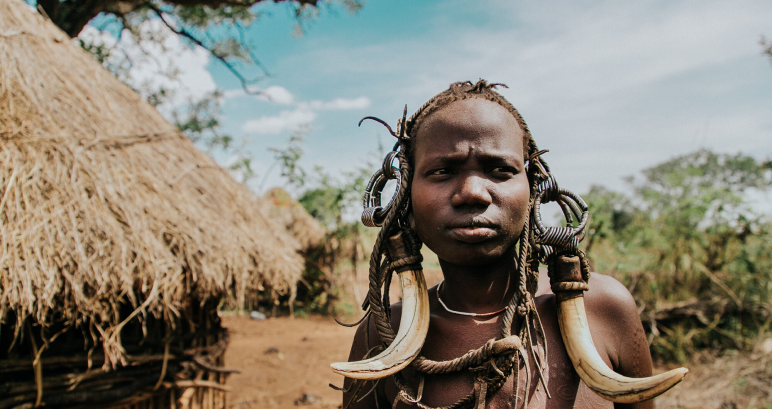
Mursi People
The Mursi tribe is recognized for its traditional lip plates worn by women and ceremonial stick-fighting duels among men, marking important rites of passage. Lip plates, which are inserted in the lower lip of young women, have become an iconic symbol of the Mursi. Male dueling, known as “thagine,” reflects the tribe’s warrior traditions and is central to Mursi identity. Mursi society is organized by age sets, and these age-based groups influence social and political roles.
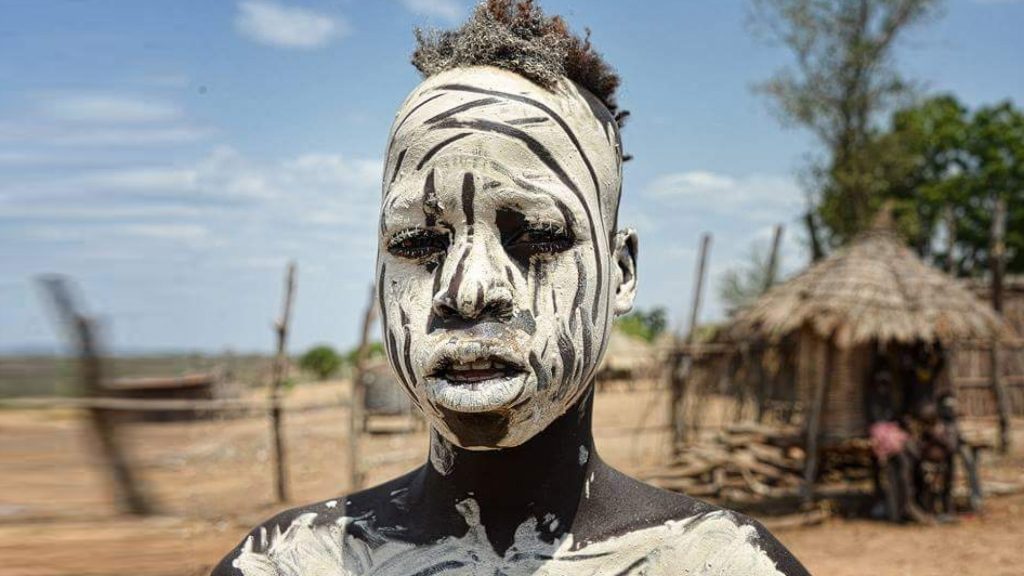
Karo People
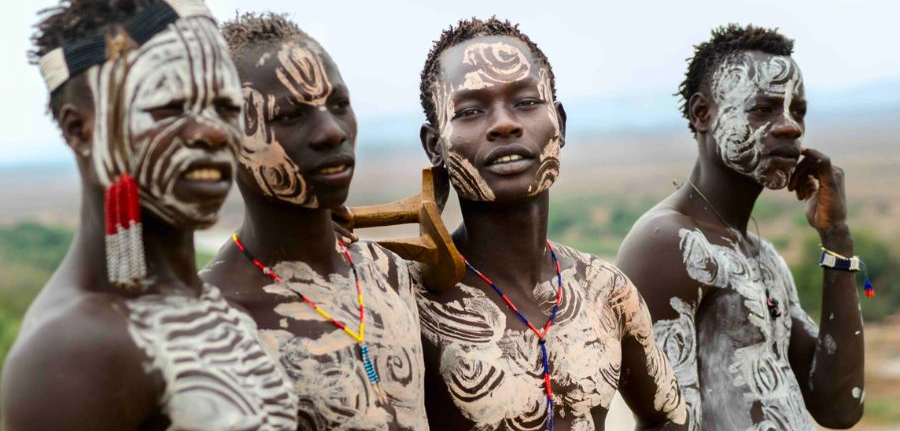
The Karo people, a small tribe along the Omo River, are celebrated for their vibrant body art, using natural pigments to create intricate patterns for cultural celebrations. They depend on the seasonal flooding of the Omo for agriculture. The construction of the Gibe III Dam, however, has disrupted this natural cycle, endangering their traditional livelihoods and raising concerns over the cultural survival of the Karo and other Omo Valley tribes.
Dassanech Tribe
The Dassanech Tribe, also known as the Galeb, live near the Omo River delta and around Lake Turkana. They are a highly adaptable tribe, engaging in pastoralism, fishing, and floodplain agriculture. The Dassanech are known for their resilience in surviving in one of the harshest environments in the Omo Valley.
Scarification is a significant cultural practice among the Dassanech, symbolizing beauty, bravery, and important life events. Both men and women undergo scarification, and the patterns often have specific meanings.
The tribe is organized into eight clans, and each has specific roles and responsibilities. The Dassanech’s rituals and ceremonies are deeply connected to the Omo River, which they believe is sacred.
Banna Tribe
The Banna Tribe shares many similarities with the Hamar but has its own distinct identity. They are known for their vibrant dances, colorful beadwork, and decorative hairstyles. Banna women braid their hair and adorn themselves with beads and metal ornaments, while men often carry wooden stools and weapons as symbols of their status.
The Banna engage in agriculture and livestock herding, making them semi-nomadic. They are also known for their hospitality, often inviting visitors to witness their daily lives and ceremonies.
Surma Tribe
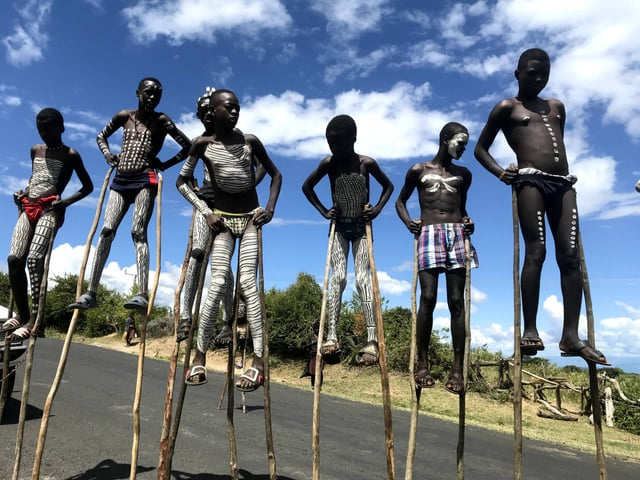
The Surma Tribe, like the Mursi, are known for their lip plates and donga stick-fighting ceremonies. These traditions symbolize beauty, strength, and maturity. The Surma also use natural pigments to paint their bodies, creating stunning patterns that reflect their artistic creativity.
Cattle are central to the Surma way of life, serving as a source of food, dowries, and wealth. Their villages are small and communal, emphasizing shared responsibilities and collective decision-making.
Nyangatom Tribe
The Surma Tribe, like the Mursi, are known for their lip plates and donga stick-fighting ceremonies. These traditions symbolize beauty, strength, and maturity. The Surma also use natural pigments to paint their bodies, creating stunning patterns that reflect their artistic creativity.
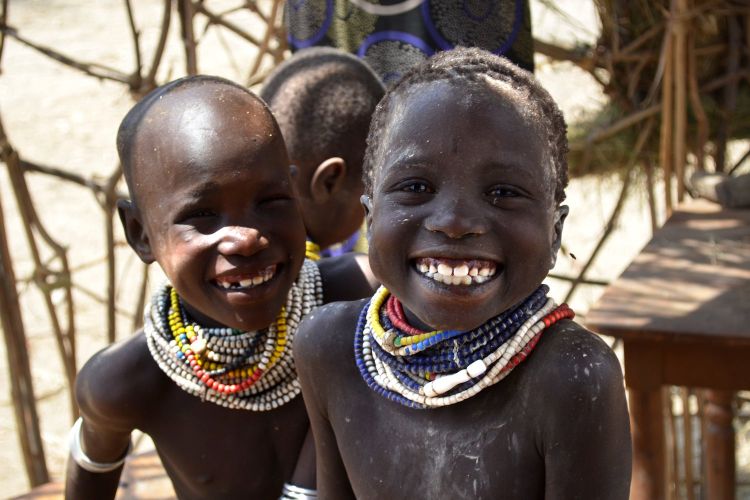
The Nyangatom Tribe, located near the Ethiopian-South Sudan border, are pastoralists and farmers who depend on both cattle and the Omo River for sustenance. The Nyangatom are known for their large, colorful beaded necklaces, which symbolize wealth and marital status.
The tribe is organized into clans, and strong leadership ensures the community’s survival. The Nyangatom have a reputation as fierce warriors, but they are also deeply spiritual, with rituals and ceremonies dedicated to their ancestors and the natural world.