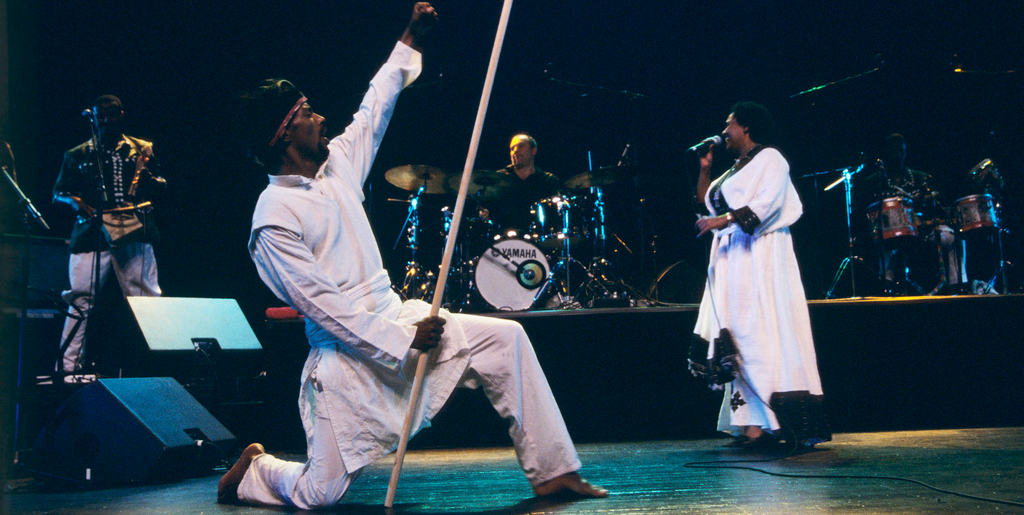
Ethiopia’s traditional dances and music reflect the country’s diverse cultural heritage, with each ethnic group having its own unique styles and rhythms. Some well-known dances include the energetic “eskista” of the Amhara, where dancers skillfully shake their shoulders and torso in sync with rhythmic beats, and the Gurage’s “chebchebsa,” which is characterized by complex foot movements and lively hand gestures. Ethiopian music often incorporates traditional instruments such as the krar (a six-stringed lyre), masenqo (a single-stringed fiddle), and kebero (drums).
Thank you for reading this post, don't forget to subscribe!
Traditional Food
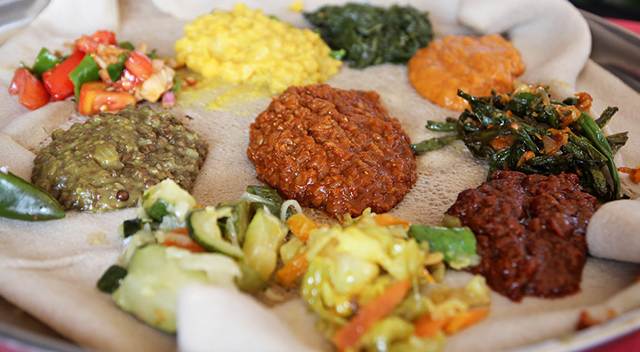
Ethiopian cuisine is distinct and flavorful, relying heavily on spices, herbs, and unique preparation methods. Injera, a soft, sourdough flatbread made from teff flour, is the country’s staple, typically served with a variety of stews and vegetable dishes like doro wat (spicy chicken stew), kitfo (minced raw beef), and shiro (chickpea flour stew). Meals are usually shared communally, with everyone eating from a single large plate. Flavors are bold, combining spices such as berbere (a fiery blend of red chili and other spices) and mitmita, creating unforgettable culinary experiences. Vegetarian and vegan options are also abundant, especially on fasting days observed by Ethiopian Orthodox Christians.
Traditional Dress and Clothing
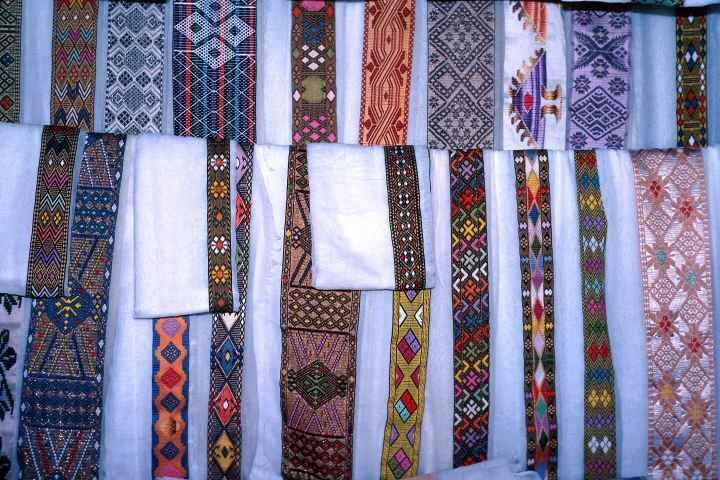
Ethiopian traditional clothing is both practical and symbolic, crafted from locally-sourced materials like cotton, wool, and, in some regions, leather. Women often wear habesha kemis, a long, white cotton dress adorned with colorful embroidery along the neckline and hem. Men traditionally wear white garments known as gabi or netela, which are also embellished with colorful patterns. Each ethnic group’s attire is unique: the Oromo people, for instance, are known for their colorful, woven sashes and turbans, while the Afar wear a distinct sarong-like wrap. Many of these garments are worn during cultural celebrations, weddings, and religious events, highlighting Ethiopia’s vibrant cultural diversity.
Traditional Musical Instruments
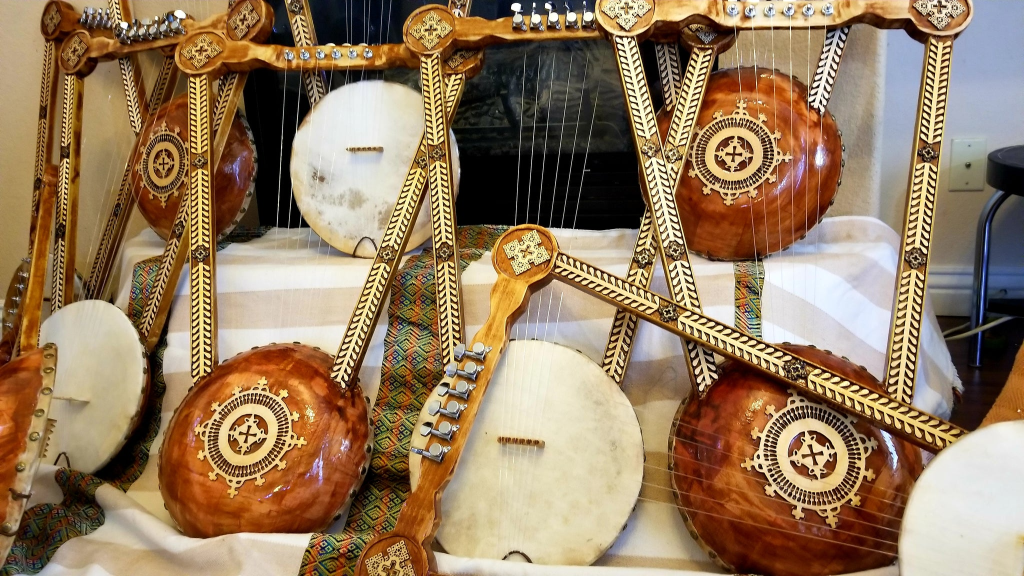
Ethiopia’s traditional music is brought to life with unique instruments that have been part of the culture for centuries. Key instruments include the krar, a six-stringed lyre that produces a melodious sound perfect for storytelling; the masenqo, a single-stringed fiddle often played by traditional minstrels; and the washint, a bamboo flute that adds a haunting melody to songs. Drums, particularly the kebero, are central to many cultural and religious ceremonies, setting the rhythm for dances and celebrations. Each instrument holds cultural significance, allowing people to communicate, celebrate, and honor their heritage through music.
Traditional Coffee
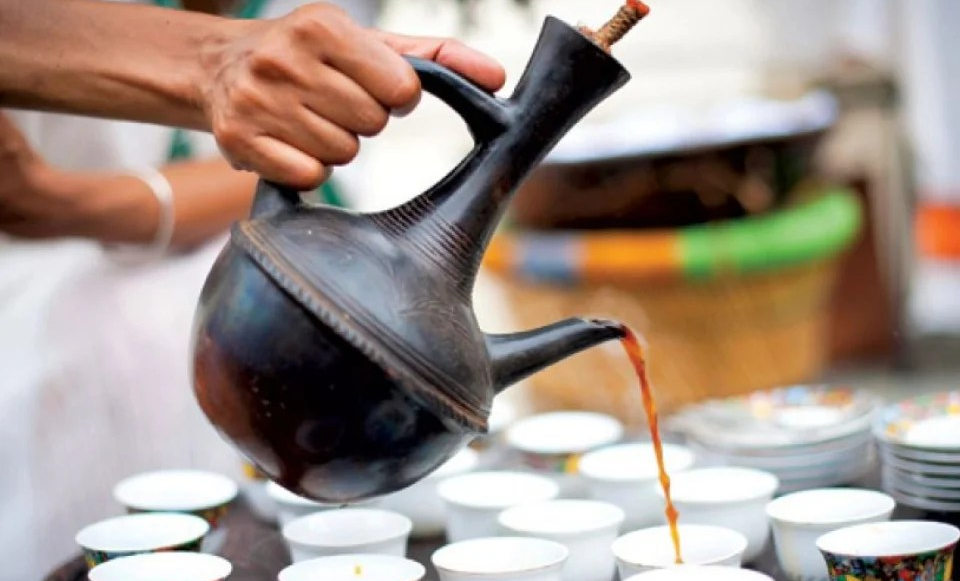
Coffee is a cornerstone of Ethiopian culture, and the traditional coffee ceremony is a social ritual of great importance. The ceremony typically begins with roasting green coffee beans over an open flame, filling the air with a rich, aromatic scent. The roasted beans are then ground, brewed in a jebena (a traditional clay pot), and served in small cups, usually accompanied by kolo (roasted barley) or popcorn. The coffee ceremony is a time for family and friends to gather, share stories, and bond. It’s a slow, deliberate process that represents hospitality, community, and respect. Ethiopia is often considered the birthplace of coffee, and participating in a traditional coffee ceremony is an authentic way to connect with Ethiopian culture.
Holidays
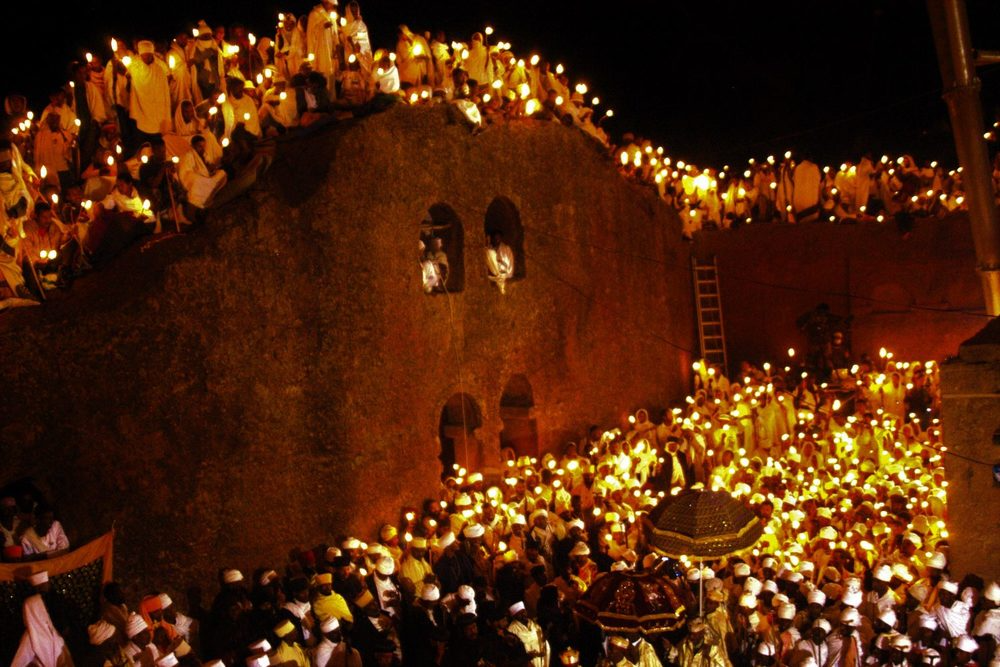
Ethiopia’s cultural and religious holidays are celebrated with deep reverence, colorful festivals, and community gatherings. Among the most significant holidays are Timket (Epiphany), Meskel (Finding of the True Cross), and Genna (Ethiopian Christmas). Timket, celebrated on January 19th, commemorates the baptism of Jesus and involves processions, blessings, and a reenactment of the baptism. Meskel, observed on September 27th, marks the discovery of the True Cross by Empress Helena, with bonfires, songs, and dances symbolizing the guiding light of the cross. Ethiopian New Year, Enkutatash, is celebrated on September 11th with flowers, songs, and feasts marking the end of the rainy season and the start of a new year.