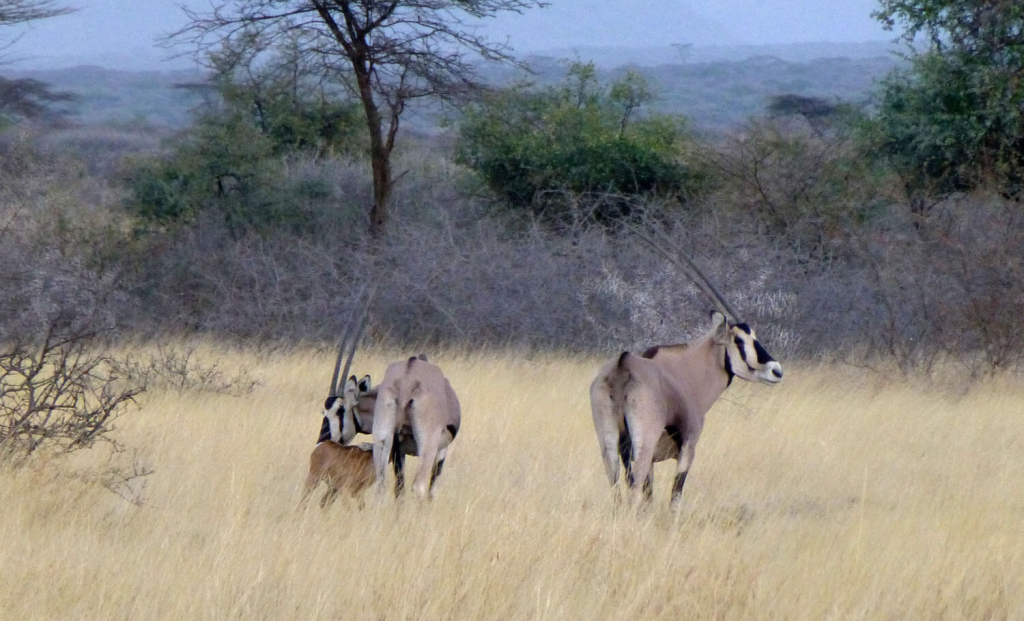
Located in Ethiopia’s Great Rift Valley, Awash National Park is the oldest national park in the country and is renowned for its dramatic landscapes and rich biodiversity. The park’s terrain includes savannah grasslands, acacia woodlands, and volcanic formations, making it a diverse ecosystem ideal for exploration. The Awash River flows through the park, creating picturesque waterfalls, most notably the Awash Falls, which are especially striking during the rainy season. Visitors can witness a wide variety of wildlife, including Beisa oryx, Soemmerring’s gazelle, baboons, warthogs, and over 450 species of birds such as the secretary bird and Abyssinian roller. The park is also known for its hot springs, located in the Filwoha area, where travelers can enjoy a relaxing soak in the naturally warm waters amid stunning surroundings.
Thank you for reading this post, don't forget to subscribe!
Abijatta-Shalla National Park
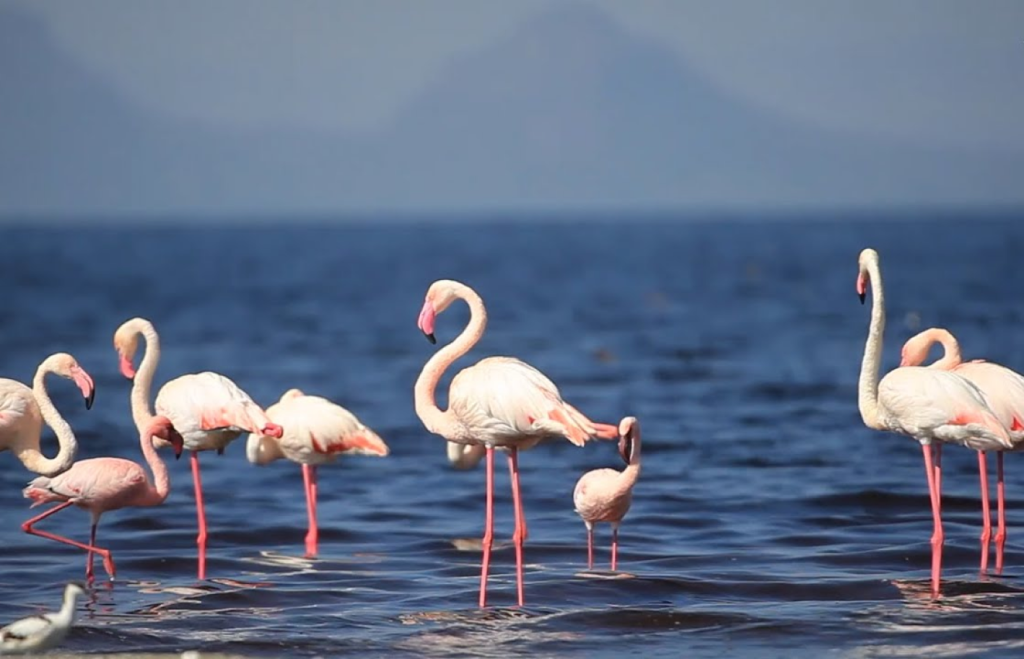
Nestled in the heart of the Rift Valley, Abijatta-Shalla National Park is famous for its twin alkaline lakes, Abijatta and Shalla, each with a unique character and ecosystem. Lake Abijatta is shallow and supports massive flocks of flamingos, while Lake Shalla, the deepest lake in Ethiopia, is known for its rugged landscape surrounded by volcanic hills and hot springs. The park is a haven for bird enthusiasts, with sightings of pelicans, African fish eagles, and a variety of wading birds. The geothermal activity around Lake Shalla has created several hot springs, where visitors can witness bubbling pools of water and steam vents. The landscape, dotted with acacia trees and savannah grasslands, provides a serene backdrop for experiencing Ethiopia’s unique Rift Valley ecosystem.
Nechisar National Park
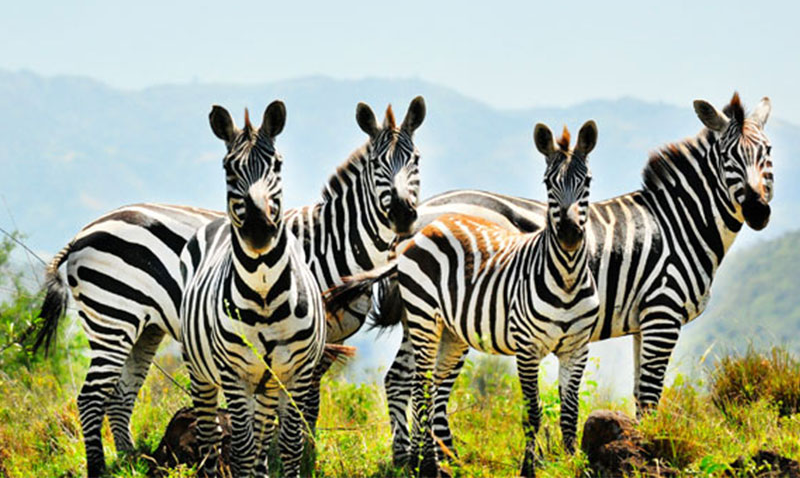
Situated between the Great Rift Valley lakes of Abaya and Chamo, Nechisar National Park is renowned for its stunning scenery and diverse ecosystems. The park’s landscape ranges from open savannah grasslands and thick woodlands to the spectacular Nechisar Plains, home to the rare Swayne’s hartebeest and other wildlife such as zebras, bushbucks, and warthogs. A key attraction of the park is the “Bridge of God,” a narrow strip of land that separates Lake Abaya and Lake Chamo, offering a breathtaking view of both lakes and surrounding escarpments. Lake Chamo is home to one of Africa’s largest crocodile populations, known as the “Crocodile Market,” where these massive reptiles bask along the shores. Visitors may also encounter hippos and enjoy a boat ride on Lake Chamo to witness wildlife up close.
Mago National Park
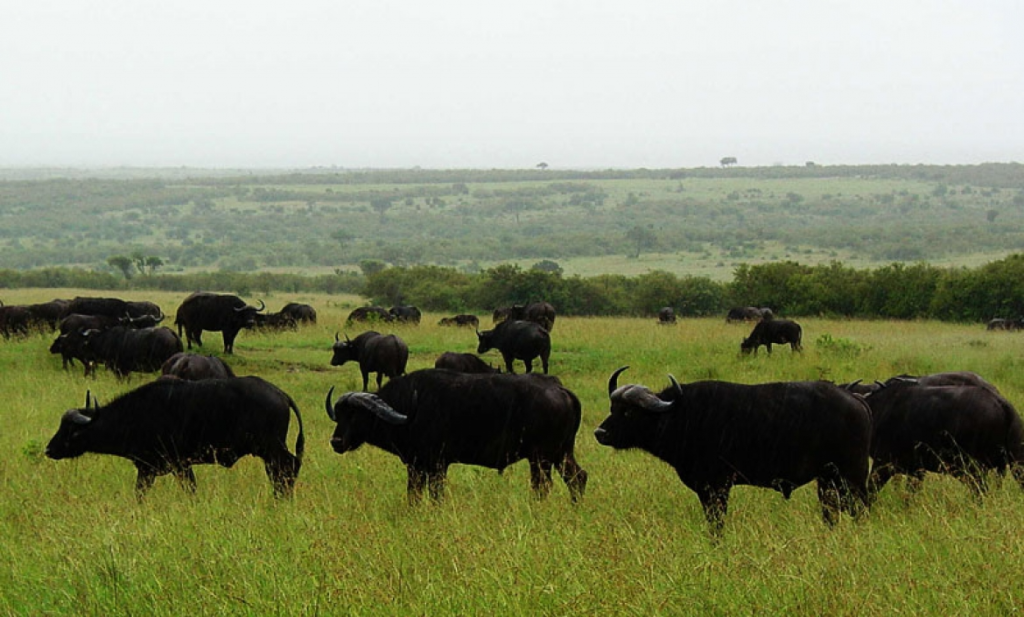
Mago National Park, situated in the Lower Omo Valley, is one of Ethiopia’s most remote and wild national parks, offering a rare glimpse into the country’s rich biodiversity and cultural heritage. The park’s landscape varies from lush riverine forests along the Omo River to savannahs and acacia woodlands. Mago is home to a range of wildlife, including buffalo, giraffes, elephants, and the endangered African wild dog. One of the highlights of a visit to Mago is the opportunity to meet the indigenous Mursi people, known for their distinctive lip plates and traditional body decorations. This unique cultural experience, combined with the park’s stunning scenery and wildlife, makes Mago a must-visit destination for those seeking an authentic Ethiopian adventure.
Omo National Park
Located on the western side of the Omo River, Omo National Park is one of Ethiopia’s largest and most remote national parks. The park is characterized by its diverse landscapes, which include grasslands, woodlands, and riverine forests, providing habitat for a variety of wildlife such as elephants, leopards, buffalo, and lions. The park is also a cultural treasure trove, as it lies in an area inhabited by a variety of ethnic groups, including the Nyangatom, Dizi, and Surma people, each with their own unique traditions and ways of life. The Omo River, which flows along the park’s eastern border, adds to the park’s beauty and offers opportunities for boat trips and guided tours to local villages.
Simien Mountains National Park
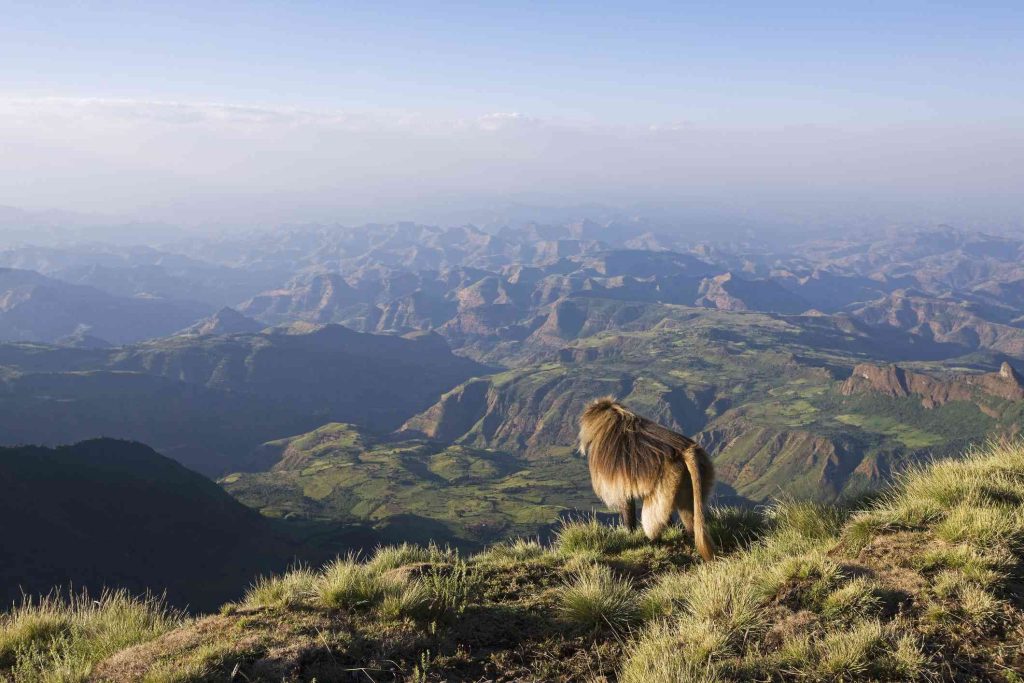
A UNESCO World Heritage Site, the Simien Mountains National Park boasts some of Africa’s highest peaks, including Ras Dashen, the fourth highest peak on the continent. Known for its stunning landscapes of rugged cliffs, deep gorges, and high plateaus, the park is often called the “Roof of Africa.” It is home to an array of endemic wildlife, including the iconic gelada monkey, which roams in large troops across the grasslands. The endangered Walia ibex, a rare species of wild mountain goat, and the Ethiopian wolf, the world’s rarest canid, are also found in the park. Hiking and trekking through the Simien Mountains offer travelers breathtaking vistas and a chance to explore one of Ethiopia’s most beautiful natural wonders.
Bale Mountains National Park
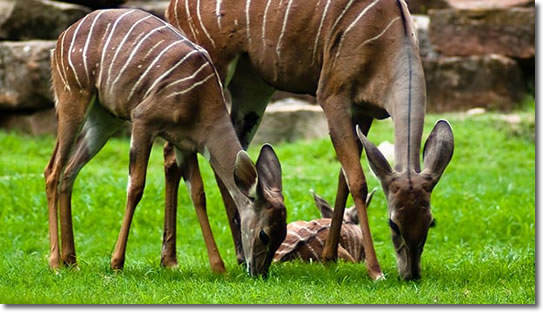
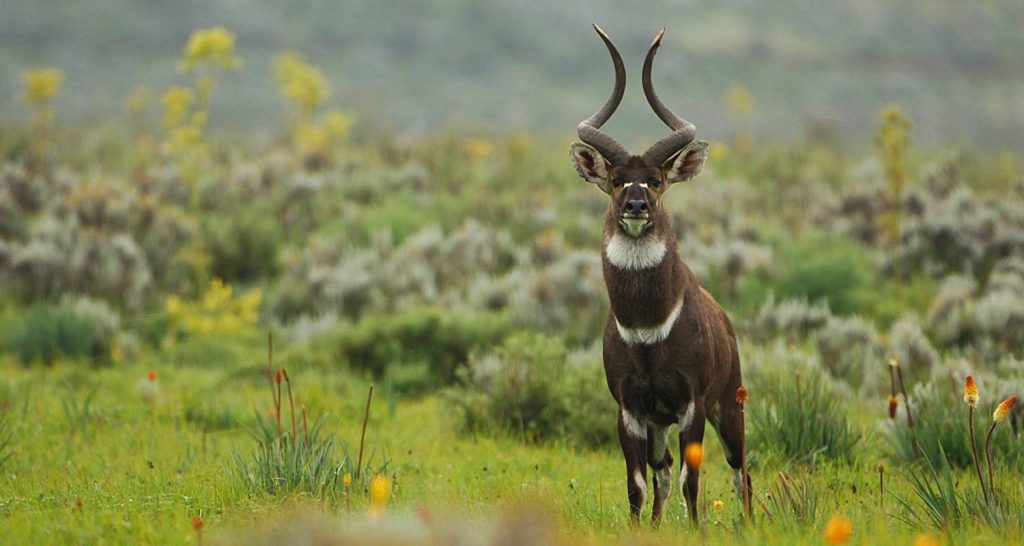
Bale Mountains National Park is a diverse and pristine park located in southeastern Ethiopia, known for its high-altitude moorlands, thick Harenna Forest, and the Sanetti Plateau, which sits at over 4,000 meters. The park is home to unique wildlife, such as the rare Ethiopian wolf, mountain nyala, and Menelik’s bushbuck, as well as numerous bird species, making it a prime destination for wildlife enthusiasts. The dramatic landscapes range from dense forests to alpine meadows, and the Tullu Deemtu, Ethiopia’s second-highest peak, offers spectacular views.
Gambela National Park
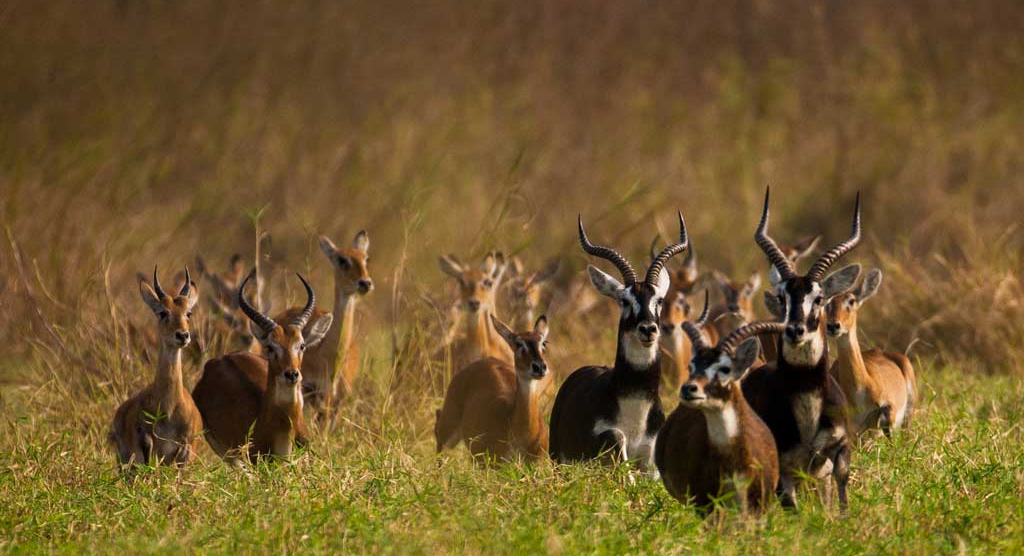
Gambela National Park, located in the western lowlands near the Sudanese border, is one of Ethiopia’s most diverse parks in terms of both wildlife and ecosystems. The park’s wetlands, grasslands, and riverine forests are home to unique wildlife species not commonly found in other parts of Ethiopia, including Nile lechwe, white-eared kob, and the rare shoebill stork. The Baro River, which flows through the park, attracts a variety of aquatic species and birdlife, making it an excellent spot for birdwatching. The area is also inhabited by the Nuer and Anuak ethnic groups, who live harmoniously with nature and maintain traditional lifestyles. Gambela’s rich biodiversity and cultural experiences offer a unique and tranquil escape for visitors.
Danakil Depression
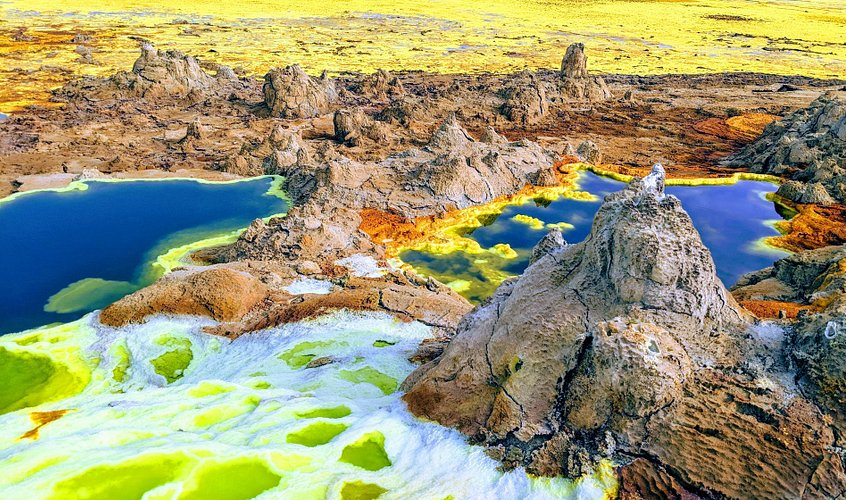
One of the most extreme and fascinating landscapes on Earth, the Danakil Depression is a geological wonder located in northeastern Ethiopia. Known for its otherworldly landscapes, the Danakil features colorful sulfur springs, salt flats, active volcanoes, and lava lakes, with temperatures that can reach some of the highest on the planet. The region is home to the Afar people, who mine salt and live in one of the world’s harshest environments. Visitors can witness the mesmerizing lava lake of Erta Ale volcano, the stunning salt flats of Lake Asale, and the vibrant mineral formations at Dallol. Despite its challenging conditions, the Danakil Depression offers a once-in-a-lifetime experience for adventurous travelers seeking to explore one of the Earth’s most unique landscapes.